
Small by Design: Why Size Matters
- Gemma Gittins

- May 13
- 5 min read
Have you ever wondered why, although we are more ‘connected’ than ever, we feel increasingly isolated? That is the paradox of passive connection.
Passive connection occurs when we consume snippets of other people's lives through a screen - scrolling through an Instagram feed of finished paintings or watching a time-lapsed video of an artist at work. Whilst it feels like we are engaging daily with the art world, neurologically speaking, we are merely observing.
At Ardington, we are all about creating active connection. Instead of just watching, we ask you to pull up a chair and join in the conversation. It’s the reason we’ve intentionally chosen to stay live (and unedited for our recordings) and to stay small.
While the rest of the digital world is scaling up, we are doubling down on the power of the small class. To us, size matters.
Backed by science
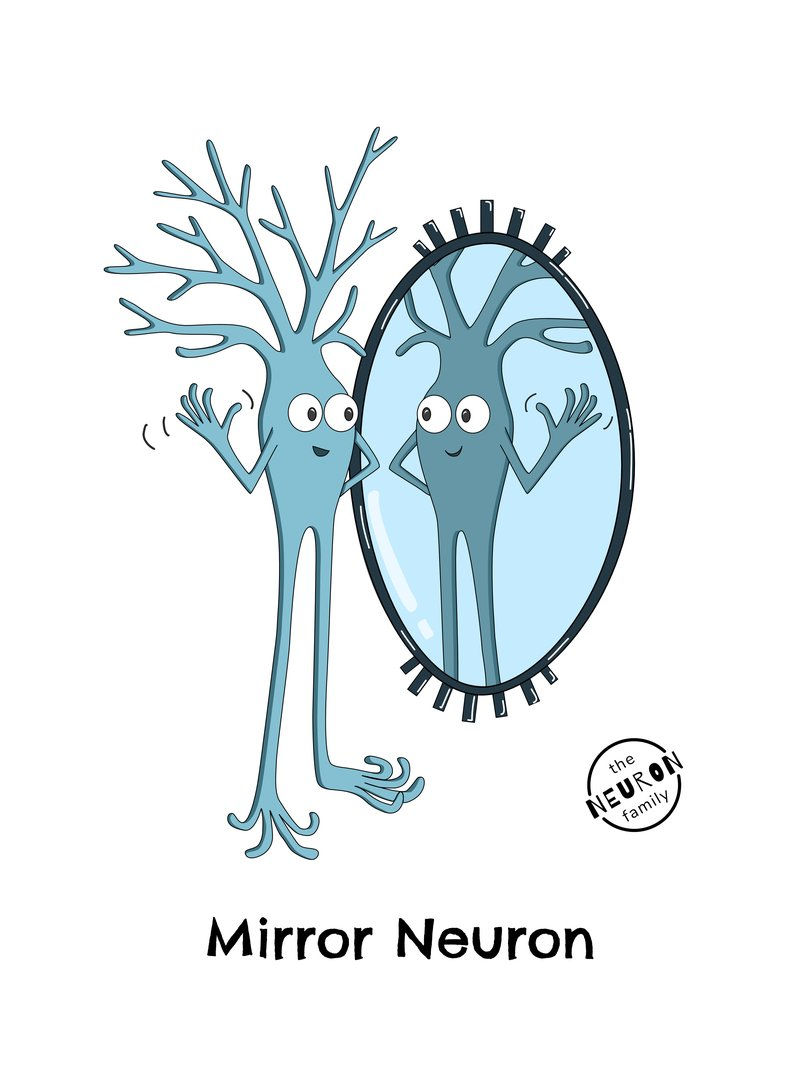
If you do a little bit of googling about passive and active connection, it won’t be long before you stumble across ‘Mirror Neurons’, sometimes described as the ‘Empathy Neurons’. These are specialised brain cells that fire both when we perform an action and when we observe someone else performing it.
Watching Heather Held pick up her pen and apply pressure to create a weighted downstroke actually causes the mirror neurons to fire as if your own hand were holding the pen. Your brain is essentially ‘rehearsing’ for that motion in real time.
And guess what, mirror neurons don't just respond to watching movement - they also respond to intention. Studies show that these neurons fire more intensely when you attend a class ‘live’; your intention to actively participate primes your brain to react in a more purposeful way.
By keeping our classes small and friendly we are nurturing active connection. We want you to feel comfortable to ask the tutor to repeat a stroke, clarify which colour they are using, or even just to slow down. By keeping your brain in learning mode, rather than letting it slip into passive ‘TV-watching’ mode, we are actively improving your experience.
Community is the cure for loneliness
Large platforms offer ‘content’ but often lack ‘connection’. Art can be a solitary pursuit, and that isn’t necessarily a bad thing, but in an increasingly digital world solitude can easily turn into isolation.
When you join us live on Zoom, you aren't just a student, you are a part of our community. One that shares your ‘happy accidents’, hears your frustrations, and celebrates your successes. Creating this social bond releases oxytocin for all of us; lowering stress and helping the learning process feel nourishing rather than taxing.

To foster this sense of community, our small classes intentionally act as a ‘Third Place’.
Based on the theories of sociologist Ray Oldenburg, the concept is simple - a Third Place is a social space, outside of your home and work, where you are known by name. They are the anchors of community life, facilitating broader, more creative interactions with the world.
What makes Ardington a good ‘Third Place’?
Neutral Ground: You are there by choice and there is no pressure to ‘perform’.
The Leveller: Social status doesn't matter. Brain surgeons and shopworkers are equals; you are all just students of the craft.
Conversation: The social exchange is the ‘soul’ of the class.
Accessibility and Accommodation: Our classes are easy to access and always feel welcoming.
Regulars: Those who join our classes frequently become the staples of the community who set the tone.
A Low Profile: The atmosphere is welcoming and unpretentious. We’re not grand, we’re cozy.
The Mood is Playful: Unlike a Second Place (work), our goal is joy, not efficiency.
A Home Away from Home: You feel a sense of ownership and belonging here.
I know it sounds like a terrible cliché, but we really are a family here.
Immediate feedback vs. going it alone
In a big digital world, feedback is often just a one-way comments section. In our small classes, feedback is a conversation.
The Problem: You’re struggling with the tension of your yarn in a twining class.
The Big Digital Solution: Rewatch the video ten times and hope you figure it out, or scroll through another umpteen videos for the answer.
The Ardington Solution: Hold your work up to the camera (or, if you’re watching our recordings, post a photo on the Class Information page). Your tutor sees exactly where the tension is off and sets you back on course in seconds.
This immediate feedback loop prevents ‘bad habits’ from taking root, removes the frustration, and accelerates your progress.
Vulnerability is a superpower
There is a specific kind of courage required to learn a new skill. Whether it’s your first time holding a calligraphy pen or your hundredth acrylic painting, there is always a moment of vulnerability when asking a question or sharing your work.
In an online webinar of 1,000 people, you feel compelled to stay quiet. In a class of 12, you are invited to say, "I'm struggling with this" and it feels safe to do so. When one person asks a question, the whole group learns. This shared vulnerability is what turns a group of strangers into a supportive creative community.

After class, we keep that feeling alive in our Class Information pages; a safe, private space in which to share and continue learning. The very best moments of my time at Ardington have played out on those pages.
Honestly, watching our community build someone up when they are feeling vulnerable is truly a joy to behold.
Small by design – even our recordings!
We don't want to be the biggest art school in the world; we want to be the best place for you to learn. Our small class sizes are a promise - a promise of a tutor who knows you, is invested in your progress, and a community that is cheering you on.
We know that not everyone can join our online classes live, which is why we offer recordings, but even these are limited in number. This allows the tutor to really engage with every student who takes the class on the Class Information page afterwards.
By keeping our recordings unedited, you also get a true reflection of how the class happened in real time. You’ll hear any chat between host and tutor, pick up on any recommendations for products, as well as the questions from other students and how the teaching adapted in response. Everything we do is designed with connection in mind.
We have a wide range of classes enrolling now but remember, because we keep things small, spaces do fill up quickly!


Comments